Afraid of sending Bitcoin? Here's the secret to relaxing
We've all been there: that little bit of anxiety that hits when you send Bitcoin and think, "What if it doesn't arrive?.
It's a moment of financial micro-drama... until you learn the secret that's been preventing tragedy for over a decade: Bitcoin addresses aren't just a bunch of random characters.
They're actually like super-smart envelopes, designed to protect you even from yourself. Let's see how they work, without any fancy technical jargon.
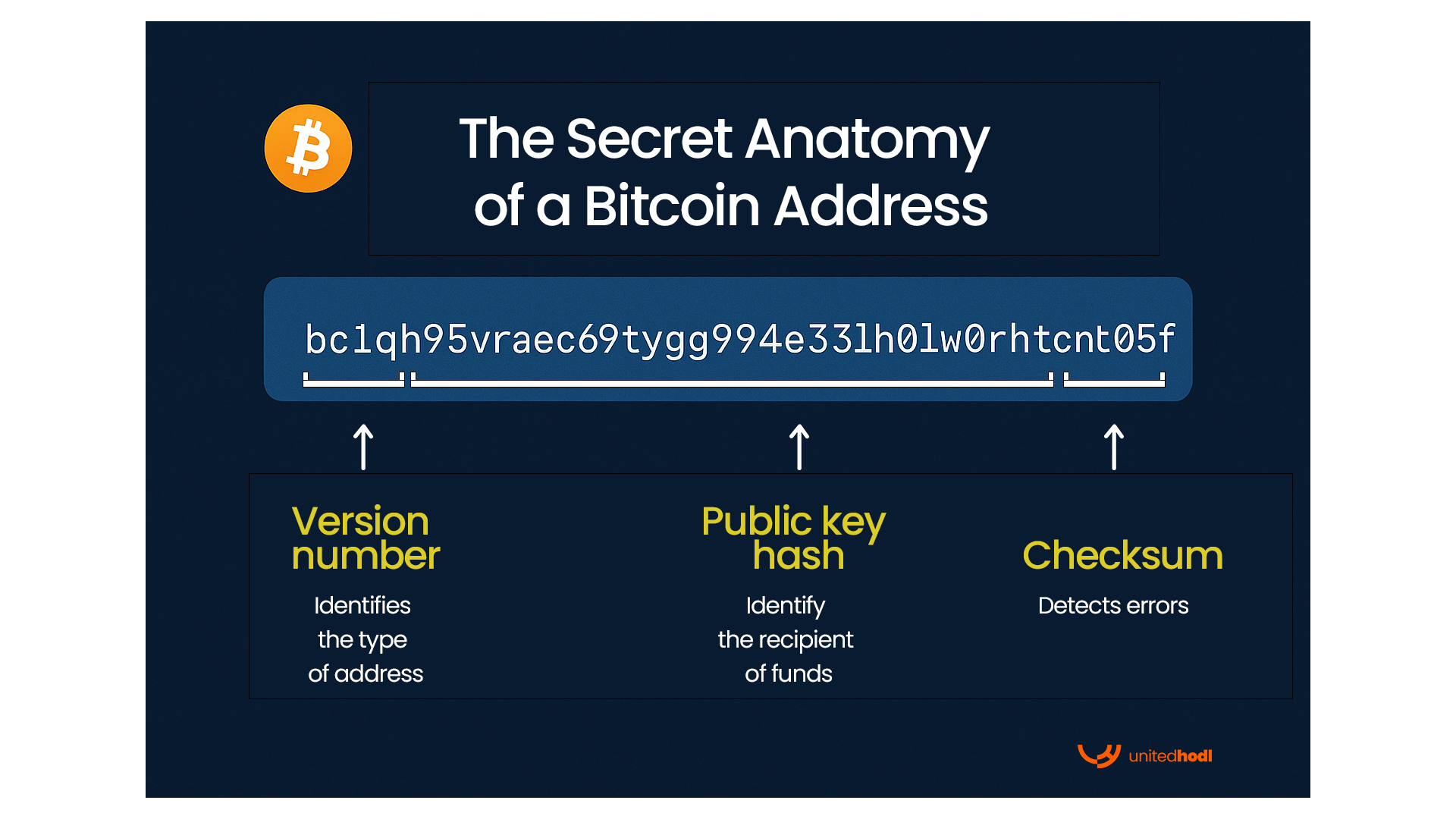
- Version number: Your address passport
This number tells the network what type of address you are using:
- Legacy (the classic ones, which begin with “1”)
- SegWit (more modern and efficient, they start with “3” or “bc1q”)
- Taproot (the latest evolution, starting with “bc1p”)
Each has distinct advantages, but they all function as labels to avoid confusion.
- Public Key Hash: your secret identifier
It's like a unique license plate for your digital "safe."
The network knows exactly who owns it and where to send the SATs.
- Checksum: the guardian against errors
This is my favorite.
The checksum is the last few characters of the address, and it acts as an error sensor.
If you make a mistake when copying or miss a character, the transaction simply won't be sent. It's that simple.
Why does it matter?
Because it prevents your Bitcoin from getting lost in digital limbo. This system is designed so that, even if you make a mistake, the network will tell you:
“Hey, there’s something strange here, please check before sending.”
Three professional tricks to send Bitcoin without stress
- Always copy and paste the address (never write it by hand).
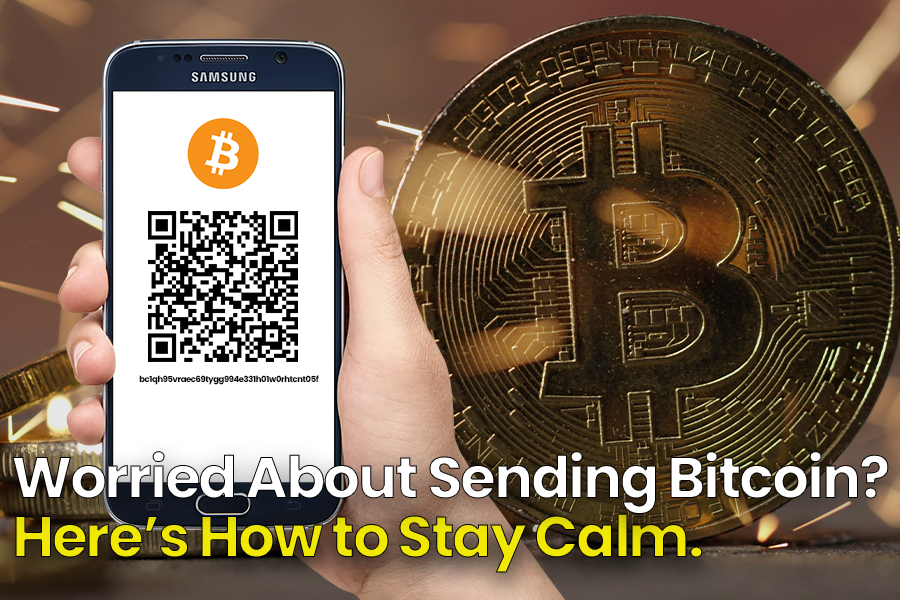
- Use QR codes whenever possible to avoid visual errors.
- Check the first and last characters before sending — it's fast and gives you peace of mind.
Conclusion
Sending Bitcoin shouldn't feel like open-heart surgery.
When you understand that there are layers of security designed to protect you, you'll send your sats with more confidence... and maybe even a smile.